
A Caregiver’s Story

Caring for my wife after her mastectomy was both an act of love and one of the hardest responsibilities I’ve ever faced. Managing her post-surgical drains required constant attention — I emptied, measured, and sanitized them several times a day, carefully watching the color of the discharge for signs of healthy recovery. The drains were uncomfortable to her, so it became a countdown for their removal. It is hard to believe with all the advancements in medicine, patients are still subjected to this rudimentary device for post surgical recovery.
As her caregiver, I found the emotional toll almost as heavy as the physical work. The focus, understandably, is always on the patient, but it can leave the caregiver feeling invisible and overwhelmed. I ran myself ragged trying to keep up — to the point that stress caught up with me, and I came down with shingles. Looking back, I wish I had known about the Somavac device earlier; it would have made drain management much easier and lightened the load both physically and emotionally. Anything that helps lessen the daily burden allows a spouse to be more present, more supportive, and a little less consumed by the demands of care.
Michael Ker
Husband and Caregiver
Clinical evidence reinforces what caregivers experience firsthand.
A 2025 peer-reviewed study demonstrates that traditional surgical drains are associated with increased postoperative pain, reduced mobility, and lower quality of life during recovery—extending the burden to both patients and caregivers.
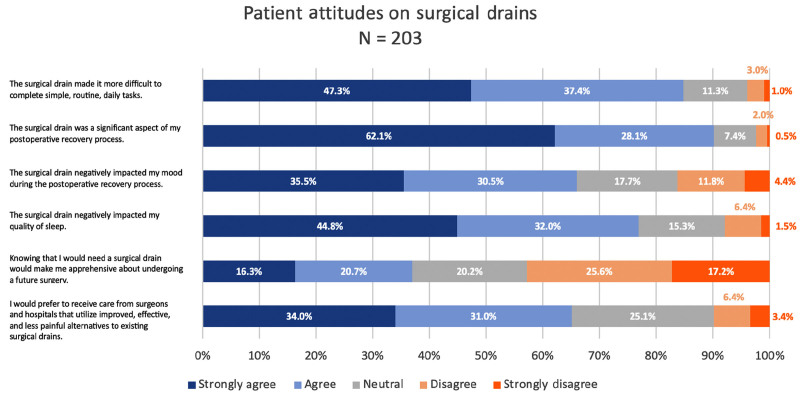
Gadiraju et al. “Understanding the Impacts of Surgical Drains on Postoperative Pain and Quality of Life.” Plastic and Reconstructive Surgery – Global Open, 2025